
The Uncompromising Gaze of Malika Moustadraf’s Trent-Sis
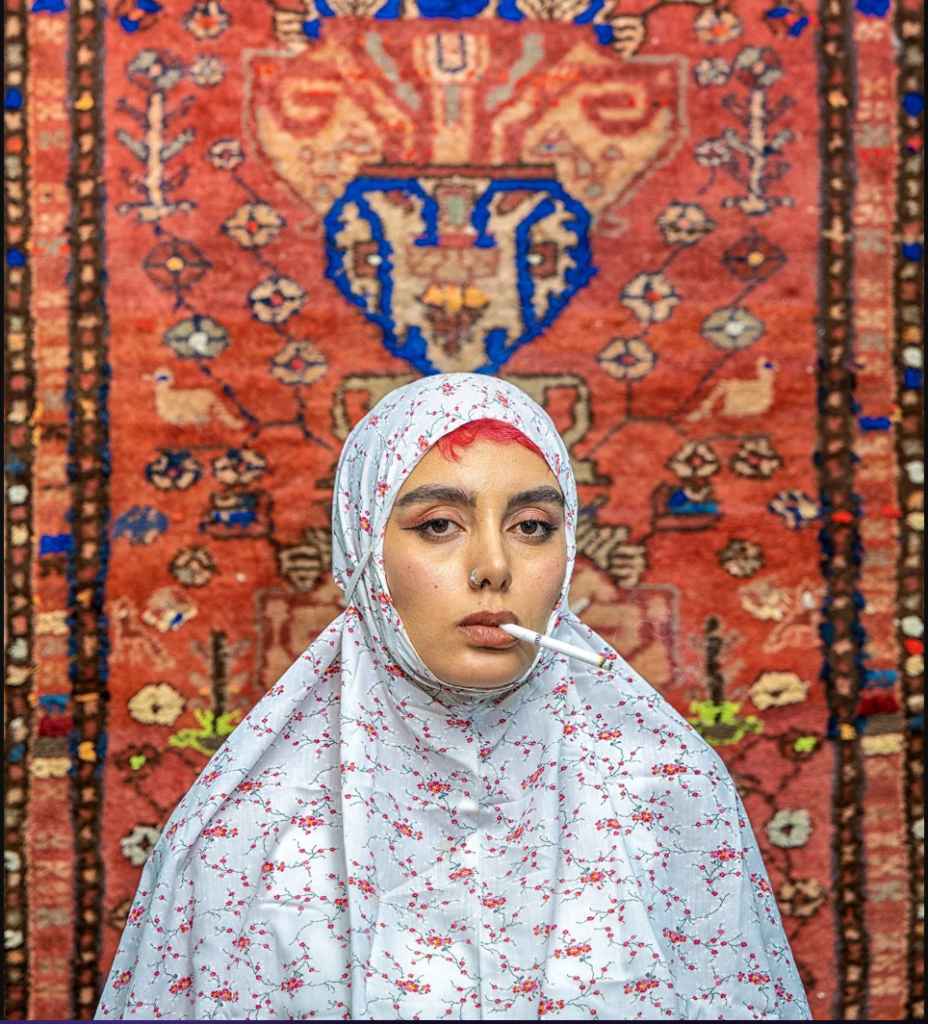
Recently, while scrolling through social media, a stark, arresting book cover caught my eye. I immediately recognized the distinct visual language of the acclaimed Iranian artist Maryam Saeedpoor, whose work so often grapples with themes of confinement, rebellion, and the female gaze. Intrigued by what narrative might pair with such powerful art, I began to dig deeper. This search led me to the late Moroccan author Malika Moustadraf (1969–2006) and her blistering work, Trent-Sis.
Malika Moustadraf’s Trent-Sis (2004), a piercing collection of short stories written in Moroccan Darija, strips bare the harsh realities of life in Casablanca. Through raw and unvarnished snapshots, it maps the collisions of patriarchal oppression, social marginalization, and a gendered form of madness. The work was later translated into French in 2026 as a kind of uncompromising edifice of prose—deliberately unadorned and confrontational, trading aesthetic refinement for ethical urgency as it lays bare the hypocrisies underpinning Moroccan society.
The title story, “Trent-Sis” (“Thirty-Six”), refers to Pavilion 36, Casablanca’s psychiatric ward—a term that becomes slang for “crazy.” If read as a metaphor, this could serve as a potent symbol for how patriarchy pathologizes women’s defiance. In the narrative, a daughter observes her father’s double life: soliciting sex workers on Saturdays, attending prayers on Sundays, and enforcing domestic tyranny in between. He embodies the archetypal authoritarian father, one who beats his wife and polishes his sons’ masculinity by punishing any perceived effeminacy.
Across its stories, Moustadraf centers the lives of the marginalized: sex workers enduring slow nights and grappling with identity, as in a story featuring an intersex protagonist abused for defying gender norms; mothers trapped between domestic exhaustion, televised violence, and a husband’s cruel remarks; and isolated wives seeking escape through online flirtations. Other tales satirize societal fixations, such as the obsession with virginity, where a mother orchestrates a hymenoplasty to secure her daughter’s marriage abroad. Another follows the grim funnel of systemic misogyny that pushes women into stigmatized sex work. Even when the narrative voice is male—as in a story where a man blames a woman for his illness—the text indicts patriarchal entitlement and a crumbling public health system.
Moustadraf’s style is electrically experimental, steeped in the vibrant slang, specific rhythm, and sensory grit of Casablanca's Darija. It is a style that delights in the profane, harnessing the language's oral energy to shatter taboos. Critics have read this original voice as a form of feminist insurgency—a sharp, deliberate provocation against patriarchal authority. Her personal struggle and early death at thirty-seven have also become part of her story, with some accounts suggesting her outspokenness and the medical challenges she faced were intertwined, mirroring the defiance she wrote about.
Ultimately, Trent-Sis endures as a cult masterpiece, its 2026 French translation bringing Moustadraf’s fierce vision to a global readership. The work does not merely document suffering—it weaponizes it, confronting society with what it refuses to see. This is literature that functions as both sedative and scalpel, offering a kind of healing through the ruthless excision of lies.
A last point worth mentioning, however, concerns the act of translation itself. While reading, I felt the translation, though competent, couldn't fully capture the visceral, cultural weight of the original Darija. The particular "Casawi" texture—the slang, rhythm, and profound baggage of certain expressions—inevitably softens in transit. It reminded me of a similar feeling when reading the French translation of Mohamed Choukri's Le Pain Nu; you know you're accessing the soul of the work, but you're also acutely aware you're experiencing it through a filter. It leaves you with a persistent wish to one day consume it directly in its original, unmediated form.
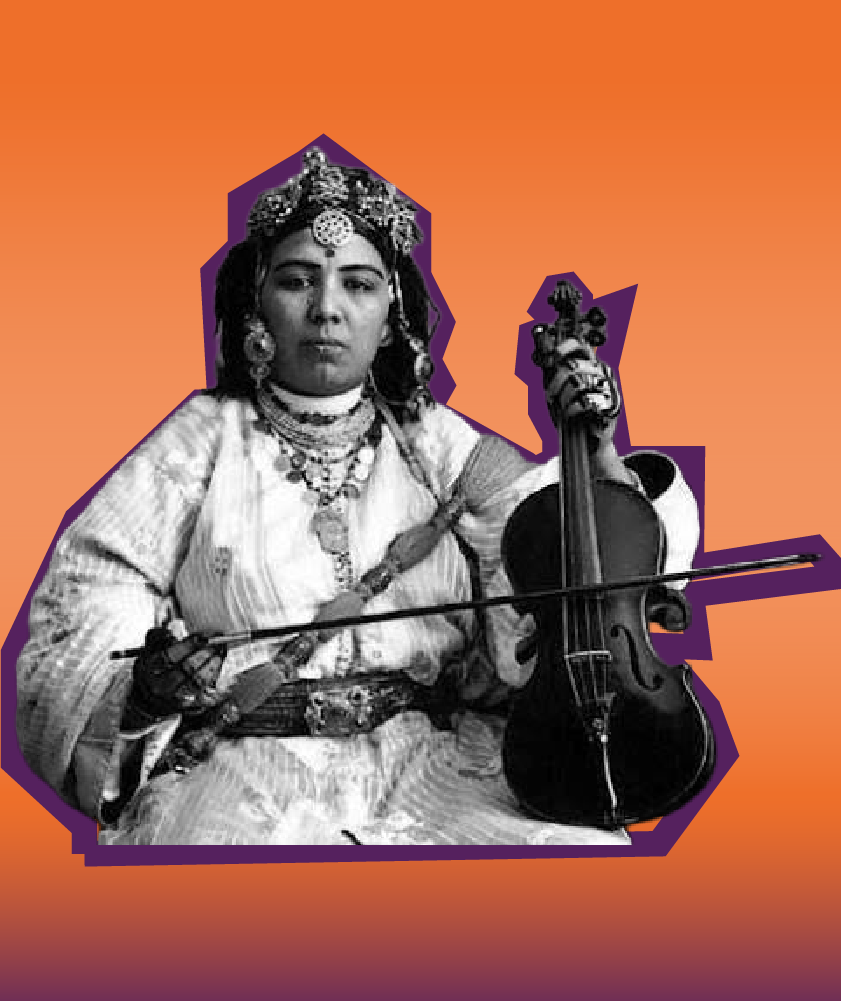
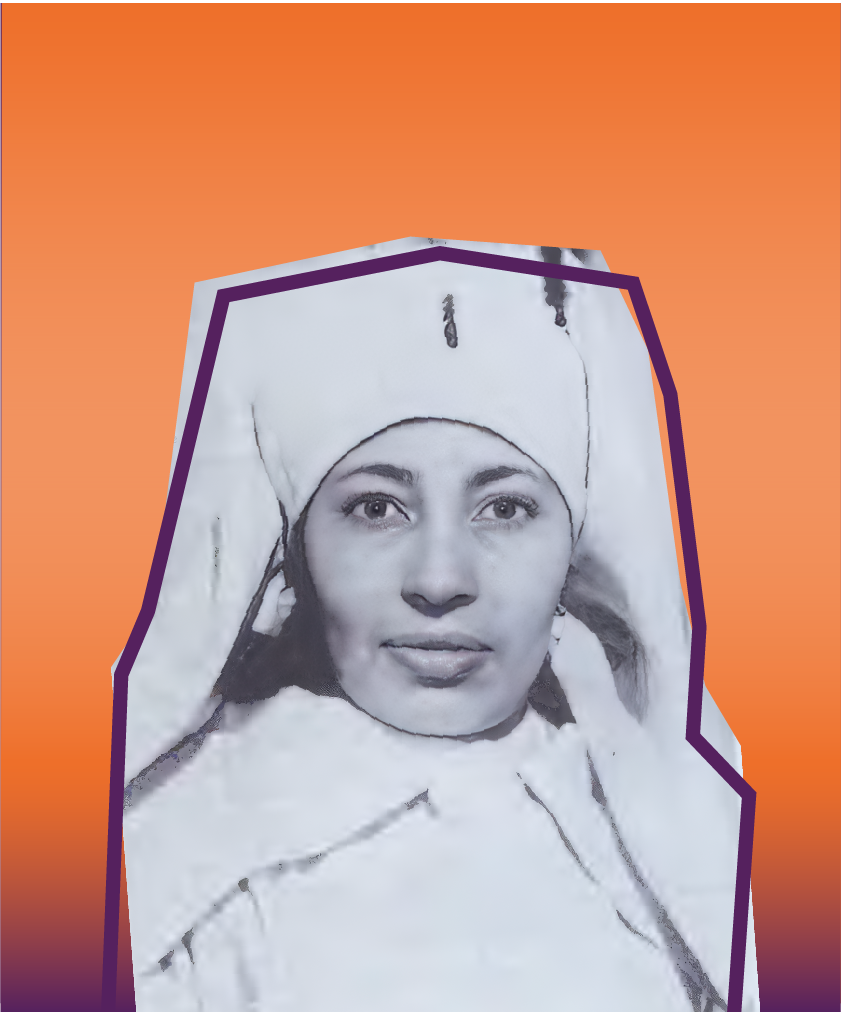
Photo credit: Woman Life Freedom, Maryam Saeedpour (2023)

Related resources