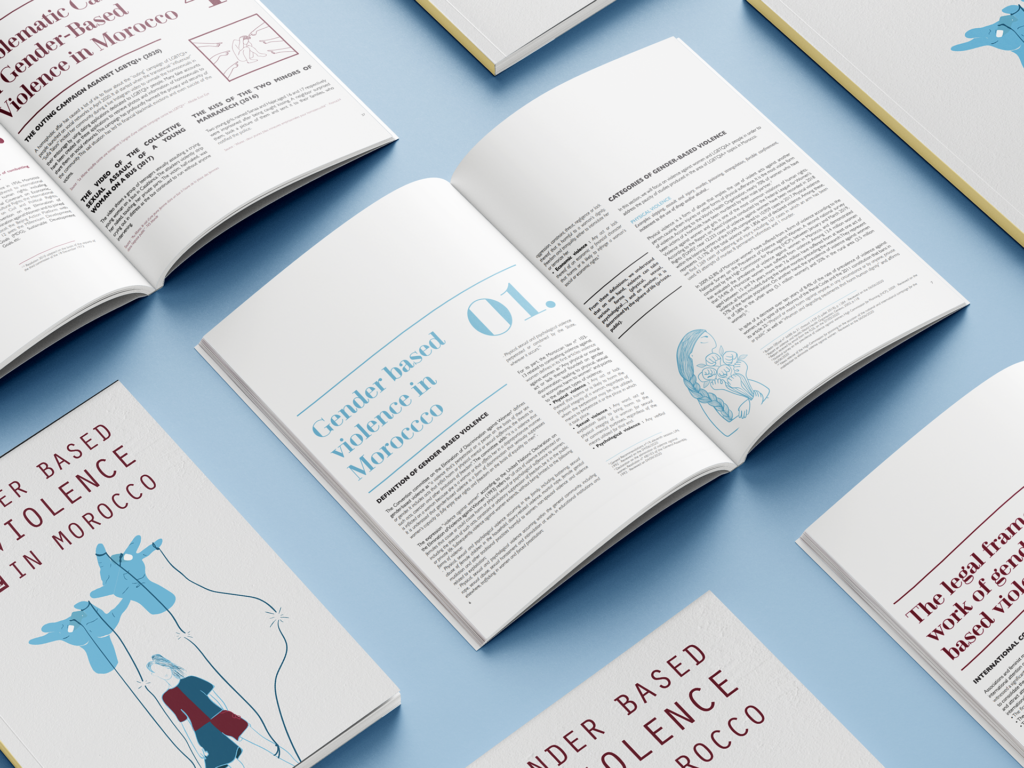

Report: Gender-Based Violence in Morocco – A Persistent National Challenge
The report on gender-based violence (GBV) in Morocco highlights the pervasive and alarming nature of this issue, which affects a significant portion of the population and is deeply rooted in societal norms and structures. Research conducted by key actors, including civil society organizations and academic institutions, reveals that nearly 62.8% of Moroccan women have experienced some form of violence, with updated figures indicating that 54.4% suffered from violence within the past year. This violence manifests in various forms, including physical, psychological, sexual, economic, and legal violence, and is exacerbated by the entrenched patriarchal and cultural norms that often silence victims and hinder their access to justice.
The legal framework addressing gender-based violence in Morocco has seen some advancements, particularly with the adoption of Law 103-13 in 2018, which defines violence against women and outlines measures for prevention and protection. However, the law has been criticized for its vague definitions and lack of provisions addressing marital rape, leaving many women vulnerable. Structural barriers persist, as victims often face significant challenges in accessing legal recourse. For instance, a female victim may need to make an average of 14 trips to court, with many dropping their cases due to social pressures, economic constraints, or fear of further violence.
The qualitative research conducted through interviews with activists, sociologists, and representatives of NGOs emphasizes the need for comprehensive training for law enforcement officers to ensure they understand the complexities of GBV cases. The societal stigma surrounding issues like premarital sex and LGBTQIA+ rights further complicates the landscape, as victims of violence related to these issues often refrain from seeking help due to the fear of legal repercussions or social ostracism.
The report also identifies a lack of collaboration among various civil society organizations, which undermines the effectiveness of advocacy efforts. Recommendations for addressing GBV in Morocco include enhancing public awareness campaigns, implementing educational reforms to transform societal perceptions, and strengthening the legal framework to better protect women's rights. Overall, while there have been significant mobilizations and reforms led by civil society, the report indicates that much work remains to be done to eradicate gender-based violence and promote gender equality in Morocco.
Authors: Rajaa Essaghyry & Mouad Meziaty
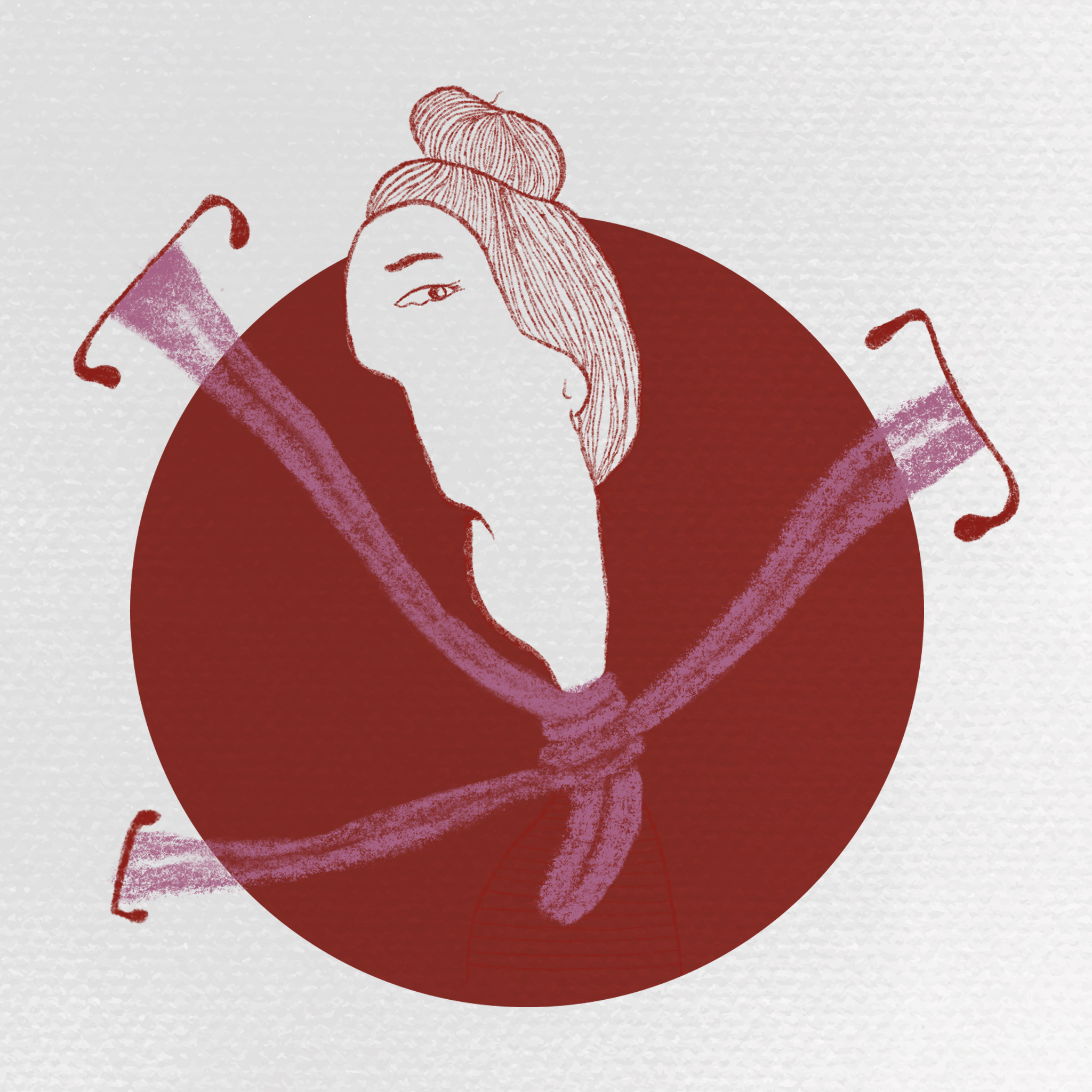
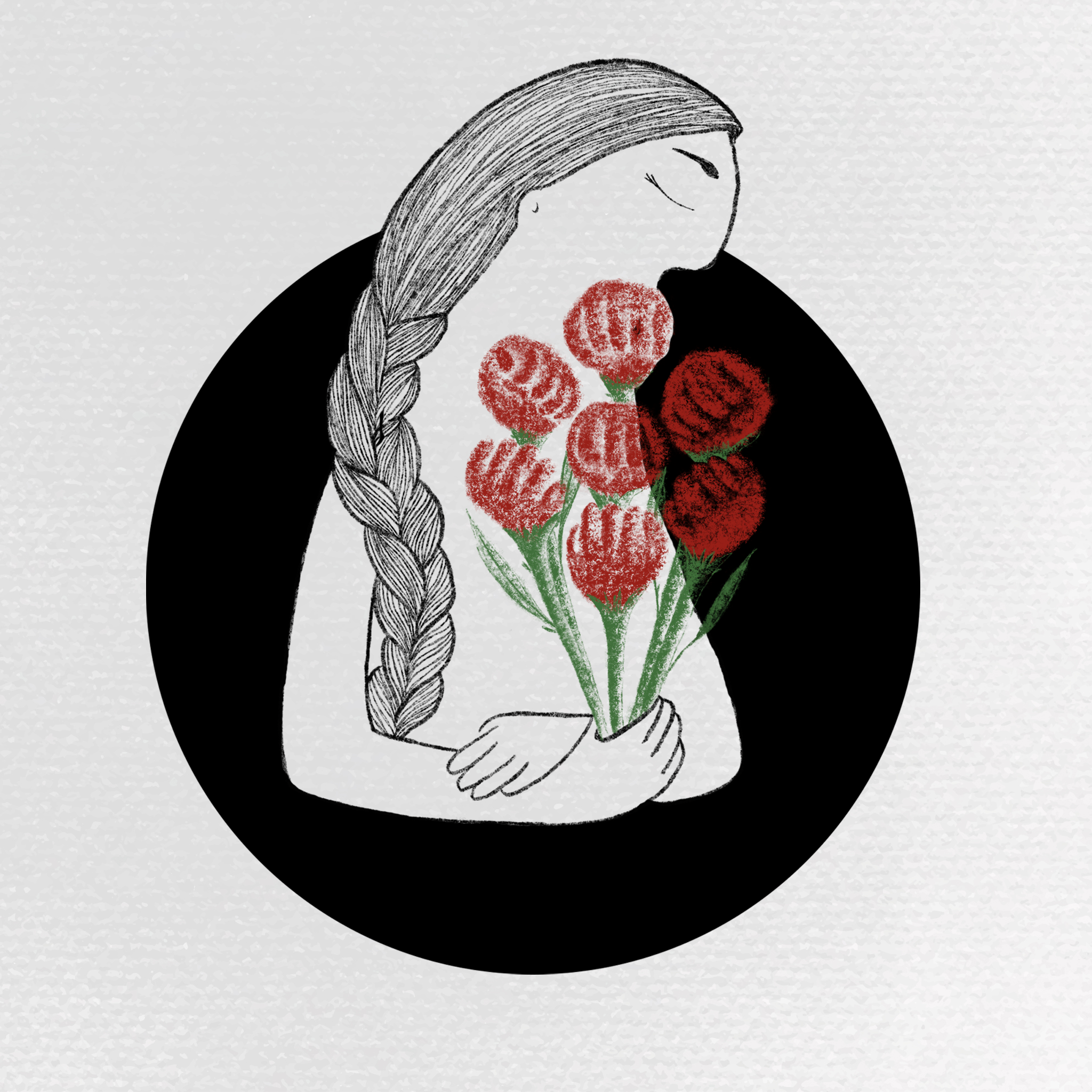
Illustrations: Rajae Hammadi


Related resources
Commentary- What Feminist Groups Want from the Moudawana Reform—And Why It Can’t Wait
31/05/2026

Research Insights: Legitimacy as Survival and Political Practice in Queer Moroccan Activism
02/05/2026

Beyond the Data: The Societal Tensions Revealed by Morocco’s 2025 Family Survey
15/04/2026
Commentary- What Feminist Groups Want from the Moudawana Reform—And Why It Can’t Wait
31/05/2026
Research Insights: Legitimacy as Survival and Political Practice in Queer Moroccan Activism
02/05/2026
Beyond the Data: The Societal Tensions Revealed by Morocco’s 2025 Family Survey
15/04/2026