
The 2025 Report on the Situation of Single Mothers and Their Children in Morocco
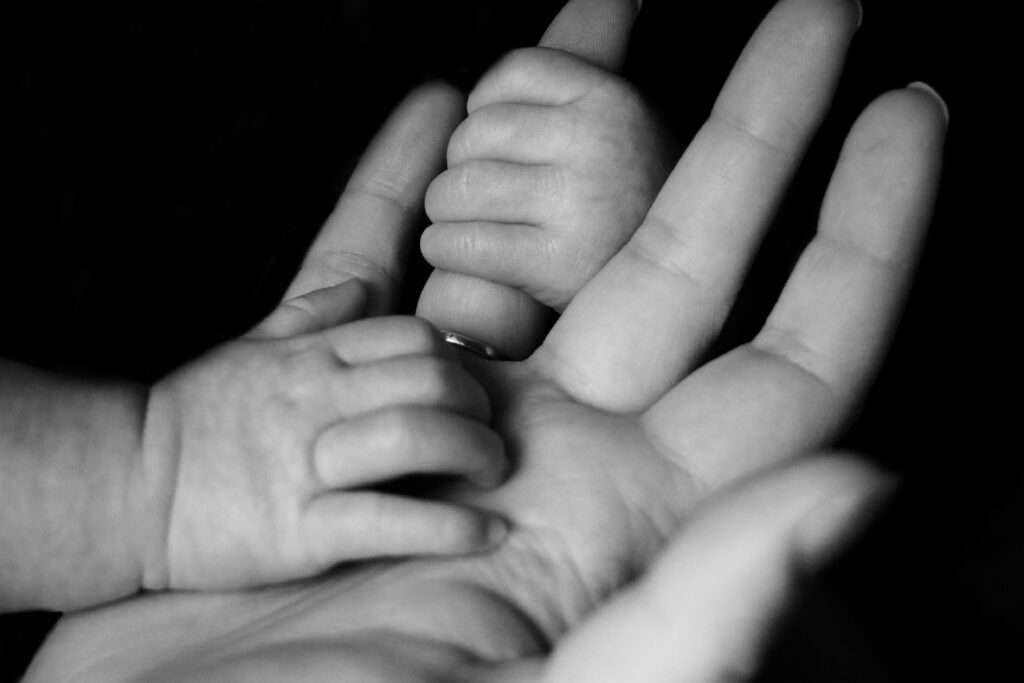
The 2025 report by the Alliance Associative pour les Droits des Mères Célibataires et de leurs Enfants au Maroc highlights the persistent discrimination and violence faced by single mothers and their children in Morocco. This report builds upon the findings from the previous year, showcasing alarming trends and systemic issues that continue to marginalize this vulnerable population.
Key Findings
Demographics and Sample Size:
The report is based on data collected from 1,368 single mothers, encompassing both minors and adults, who sought assistance from seven member associations of the Alliance across six cities: Tanger, Casablanca, Khénifra, Béni Mellal, Agadir, and Ouarzazate.
Types of Violence:
The report identifies multiple forms of violence experienced by single mothers:
- Physical and Verbal Obstetrical Violence: 282 mothers (20.62%) reported obstetrical violence, with 1.46% experiencing physical violence and 19.16% facing verbal abuse during medical care.
- Legal Violence: The application of Articles 490 and 453 of the Moroccan Penal Code continues to criminalize relationships outside of marriage, exposing mothers to legal repercussions and stigmatization. 132 police reports (9.65%) were documented against these mothers under Article 490.
- Sexual Violence: 95 mothers were identified as victims of sexual violence, including cases of incest. Among these, 58 were minors.
- Economic Violence: The vast majority of mothers are engaged in informal work with limited access to social protections, exacerbating their financial insecurity.
Socio-Economic Conditions:
Many mothers come from disadvantaged socio-economic backgrounds, with a significant number abandoning their education, which limits their employment opportunities.
Only 1.5% of the mothers surveyed accessed formal employment that provided social security benefits, while 98.5% either remained unemployed or worked in precarious informal jobs.
The report indicates that the poverty rate among single mothers is significantly higher than that of the general population, with many living in extreme vulnerability.
Access to Healthcare:
A mere 5.5% of single mothers could access the Assurance Maladie Obligatoire (AMO), highlighting systemic barriers to healthcare. Most mothers reported being excluded from social protection mechanisms due to restrictive eligibility criteria.
Public Assistance:
Despite the introduction of a social assistance program in 2024, only 4.75% of single mothers (65 out of 1,368) received direct aid, signaling deficiencies in the targeting and delivery of social support.
Recommendations
The report calls for urgent reforms to address the systemic exclusion faced by single mothers and their children, including:
- Legal Reforms: Abrogation of Article 490 and revision of family law to recognize the rights of single mothers and their children.
- Inclusive Policies: Development of public policies that cater specifically to the realities of single-parent families, ensuring access to health, education, and economic opportunities.
- Data Collection: Establishment of a national system for gender-disaggregated data to inform public policies and evaluate their effectiveness.
- Awareness Campaigns: Implementation of national campaigns to combat stigma and promote acceptance of diverse family structures.
- Economic Empowerment: Initiatives focused on the economic integration of single mothers through job training, access to childcare facilities, and support for entrepreneurship.
- This report serves as a critical reminder of the need for comprehensive policy changes to create an inclusive and supportive environment for single mothers and their children in Morocco, ensuring their rights and dignity are upheld.

Related resources

Report on Women, Climate Change, and Activism in the Maghreb
13/02/2026

Bridging the Gap: Economic and Political Participation for Women in Morocco
13/02/2026