
Report on Women, Climate Change, and Activism in the Maghreb
This report discusses the intersection of climate change and women's activism in Morocco and Tunisia, highlighting the disproportionate impacts of climate change on women in these Maghreb countries. Key points include:
Climate challenges: Both countries are facing severe climate change threats, including rising temperatures, water scarcity, and desertification. The Al Massira Dam in Morocco, for example, now holds only 3% of its water capacity compared to nine years ago. Tunisia's coastline is eroding at one of the fastest rates globally.
Impact on women: Women are disproportionately affected due to their roles in domestic labor and agriculture. They comprise over 25% of Morocco's agricultural workforce and a significant 70% of Tunisia's agricultural workforce (despite women being only 8% of its total workforce). The burdens of water collection, domestic responsibilities, and managing farms under climate stress worsen existing gender inequalities.
Government response and gaps: While Morocco, Algeria, and Tunisia have appointed women to lead climate and environment ministries, women's voices remain underrepresented in policy-making. A disconnect persists between climate action and gender activism, limiting effective advocacy.
Grassroots activism and policy: Women are at the forefront of local climate action. In Figuig, Morocco, women organized water protests, and in Tunisia, grassroots groups like Rim Ben Soud's network of women farmers are adapting collaboratively to climate challenges. However, cultural and legal barriers, such as women owning only an estimated 5% of land in the MENA region, hinder progress.
Conclusion and recommendations: The report concludes that effective climate adaptation requires integrating women's experiences directly into national climate policies, expanding women's land rights, and launching educational campaigns to bridge the gap between gender and climate activism for more resilient communities.
Report by: The Carnegie Endowment for International Peace.
Authors: Intissar Fakir and Mariam Jalabi.
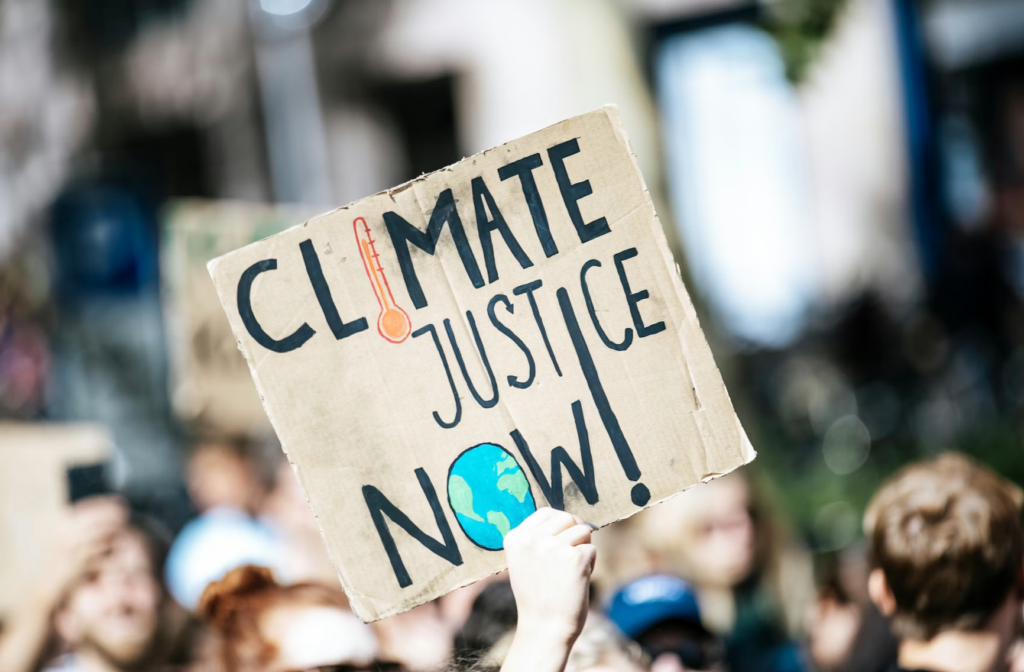
Photo credit: Markus Spiske on Unsplash

Related resources
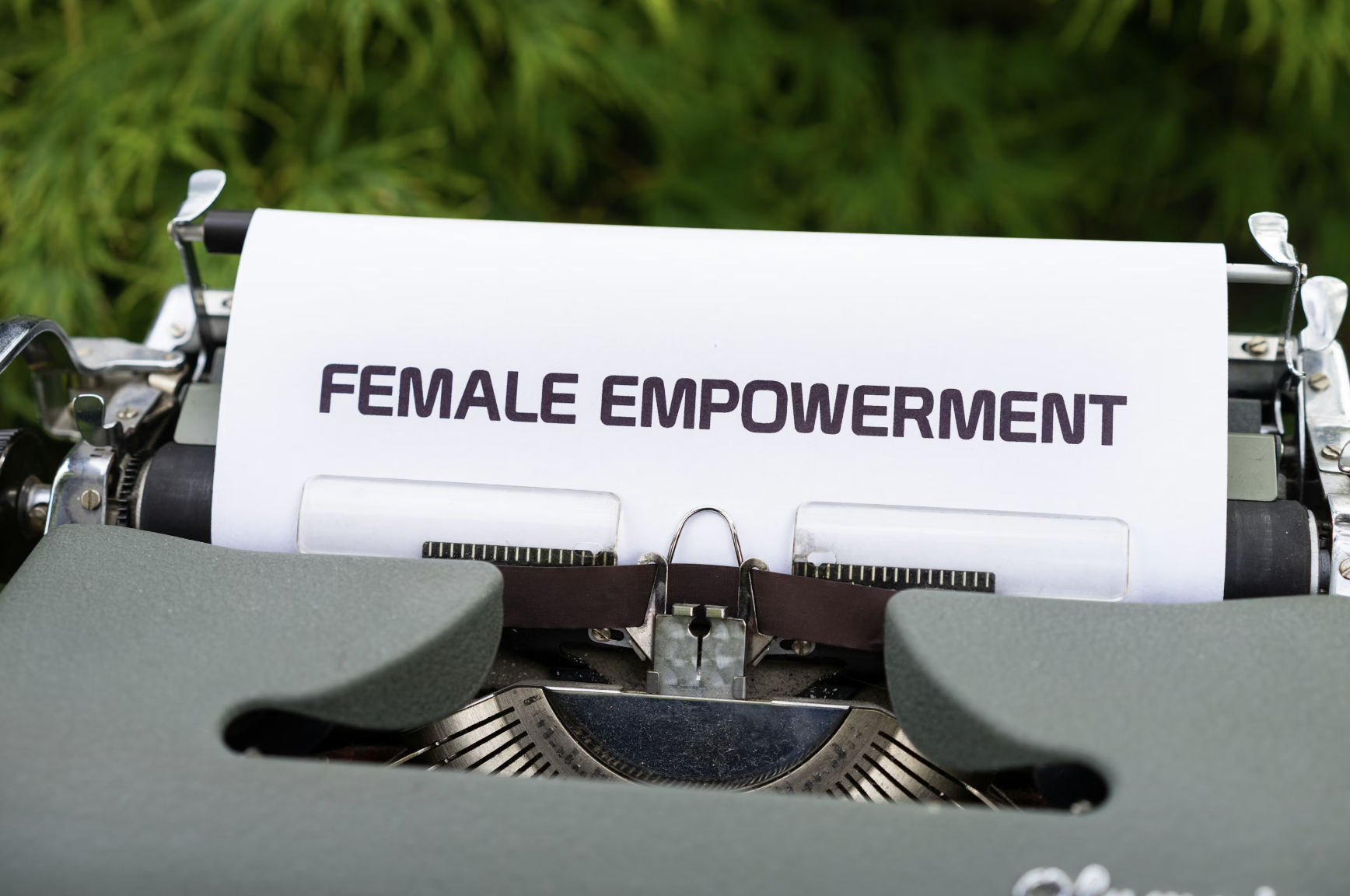
Bridging the Gap: Economic and Political Participation for Women in Morocco
13/02/2026

The 2025 Report on the Situation of Single Mothers and Their Children in Morocco
13/02/2026