
Nidã Project Podcast: Amplifying The Voices Of Women From Maghrebi And Mediterranean Diasporas
We recently discovered Nidã Project, a French-language podcast that centers voices too often pushed to the margins: those of women from Maghrebi and Mediterranean diasporas. Through an interview format (one episode every other Wednesday), the project opens up a space that is both intimate and political, where guests share their paths, their choices, their contradictions—and above all, the ways they carve out a life between multiple forms of belonging.
The word Nidã means “call,” “inner voice.” And that is exactly what this podcast lets us hear: embodied stories, told by the people who live them, with no filter and no imposed translation. You hear from women seeking freedom, expression, and emancipation—women navigating multiple identities, and refusing to be confined to a single definition.
Why this kind of initiative matters
- Advocacy: making concrete issues visible
Advocacy doesn’t only happen through campaigns or op-eds. It also happens by bringing real experiences into the light: discrimination, family or social pressures, access to rights, mental health, relationship to the body, work, love, faith, language, migration… By giving these lived realities a platform, the podcast turns individual experiences into legitimate topics of public conversation.
- Raising awareness: humanizing instead of “summing up”
Where public debates often reduce people to labels, a long-form format like podcasting allows for nuance. We don’t “talk about” diaspora women: we listen to them. That difference changes everything, because empathy is born from detail—hesitations, choices recounted, context. That’s how awareness becomes lasting, not merely informative.
- Agency: taking back control of the narrative
There is a kind of power in telling your own story in your own words. These spaces create agency: they allow guests to define their priorities, their terms, their boundaries. For listeners who recognize themselves in these stories, it can also be a catalyst—feeling less alone, identifying resources, daring to name what they’re going through, imagining different possibilities for themselves.
A space of freedom that builds a collective
What we especially appreciate about Nidã Project is its ability to create a “we” without homogenizing anyone. Each journey is singular, yet together they sketch a shared map: that of a generation refusing narrative dispossession and turning the intimate into strength.
If you’re looking for content that feeds reflection, amplifies essential voices, and helps build a culture of listening, Nidã Project deserves a spot on your radar. The podcast is also on Instagram: @nidaproject.podcast.

Related resources
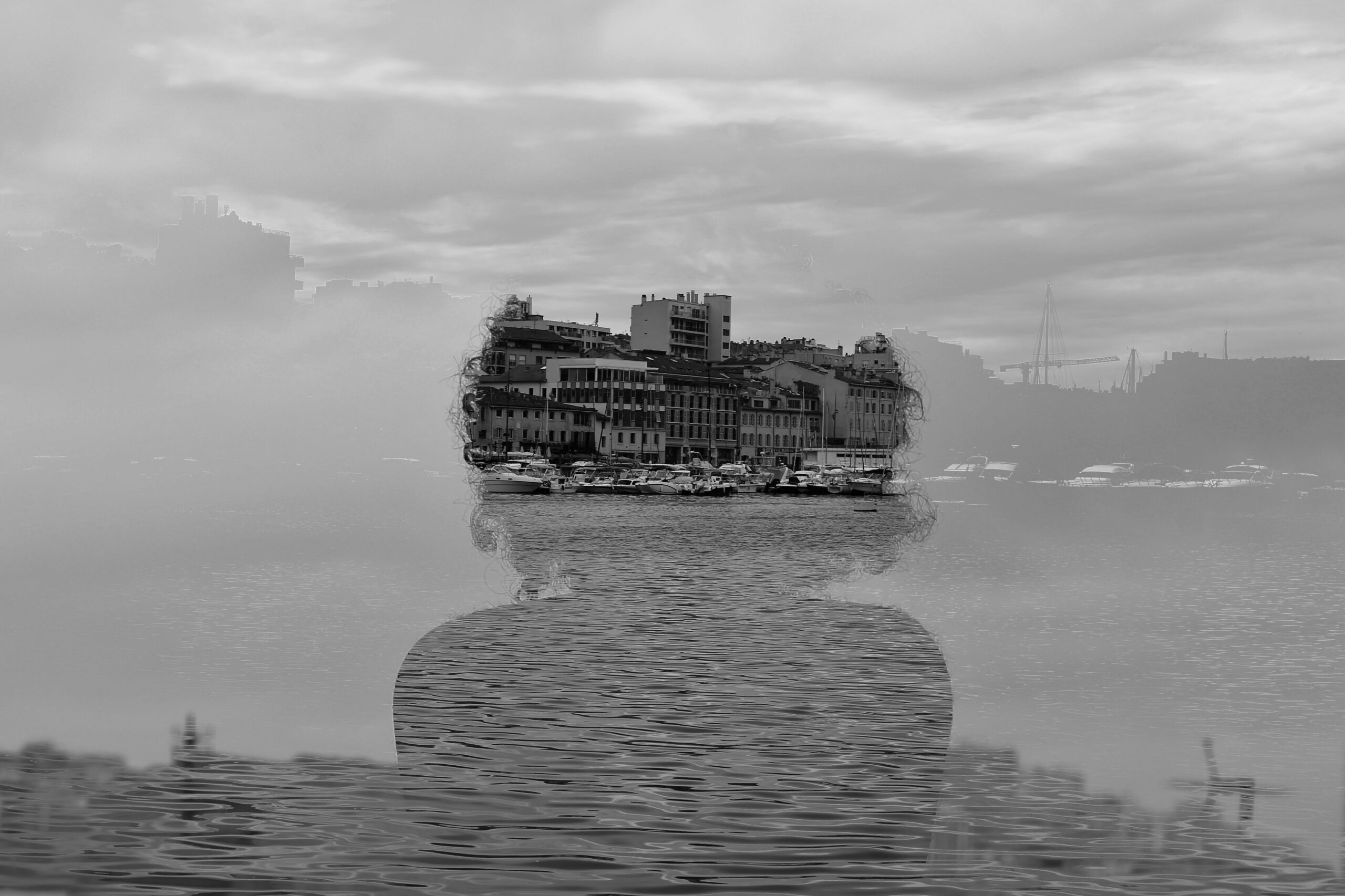
“What About Us?” – Documenting Queer Mental Health in Morocco Through Photography
16/02/2026

A Cinematic Mosaic: Arab and North African Women’s Voices on Screen
13/02/2026