
Bridging the Gap: Economic and Political Participation for Women in Morocco
This Afrobarometer dispatch, based on a nationally representative survey of 1,200 Moroccan adults conducted in February 2024, examines public opinion on women's empowerment in Morocco. The report follows the country's ratification of international human rights conventions, the adoption of a 2011 constitution enshrining gender equality, and the implementation of laws and national strategic plans to combat gender-based discrimination and violence. Despite this progressive legal and policy framework, the survey investigates the persistent gap between legal reforms and the lived experiences of women, focusing on key areas such as education, economic participation, political ambition, and the prevalence of harassment. The findings reveal significant disparities in economic and political life, widespread experiences of harassment, and a critical "ambition gap" between men and women regarding political participation.
Key Findings and Data:
- Gender Gap in Labor Force Participation: A stark gender employment gap exists. While nearly half of working-age men are employed full-time (47%), only 12% of women hold full-time jobs. The part-time employment gap is also significant (23% of men vs. 6% of women).
- Persistent Social and Familial Barriers to Work: 30% of Moroccans state that women in their family are often or always prevented from holding a paid job by a husband or family member. This figure rises sharply among rural residents (42%), those with no formal education (45%), and those experiencing high levels of lived poverty (49%).
- Educational Parity, But Not for All: Women and men are now at parity in secondary and post-secondary education (women 57%, men 58%). However, a gap remains at the foundational level, with 18% of women having no formal education compared to 14% of men.
- Significant Levels of Gender-Based Harassment and Abuse: In Schools: 27% of citizens report that female students are often or always victims of discrimination, harassment, or sexual advances from teachers. This figure rises to 39% among the poorest citizens; In Public Spaces: 43% of Moroccans report that women and girls are often or always sexually harassed in public spaces.
- Low Confidence in Institutional Response to Harassment: While 62% believe women are likely to be believed if they report discrimination or harassment, a strong majority (75%) believe the police and courts should do more to protect women and girls.
- Major Ambition Gap in Political Participation: A significant gender divide exists on women's political leadership. While 82% of women and 65% of all citizens believe women should have the same chance as men to be elected, only 49% of men share this view.
- Barriers to Women's Employment: Citizens cite social norms (39%) and a lack of flexible hours or childcare (25%) as the top two obstacles keeping women out of the labor force, followed by employer discrimination (15%).
- Persisting Attitudes on Girls' Education: While a large majority (84%) say it's now rare for families to prioritize boys' education over girls', this practice persists, with 15% of Moroccans (and 33% of the economically disadvantaged) saying it still occurs frequently.
Survey Methodology: The survey was conducted with 1,200 adult Moroccan citizens, with a margin of error of +/-3 percentage points at a 95% confidence level.
Conclusion:
The Afrobarometer survey reveals a significant gap between Morocco's progressive legal framework for gender equality and the daily realities for women. Despite achieving near-parity in education, women in Morocco face a profound employment gap, pervasive harassment in public and educational settings, and significant social and familial barriers to economic participation. Most citizens recognize a need for greater state protection for women, yet deep social attitudes, particularly among men regarding women's political leadership, remain a significant hurdle to achieving full gender equality.
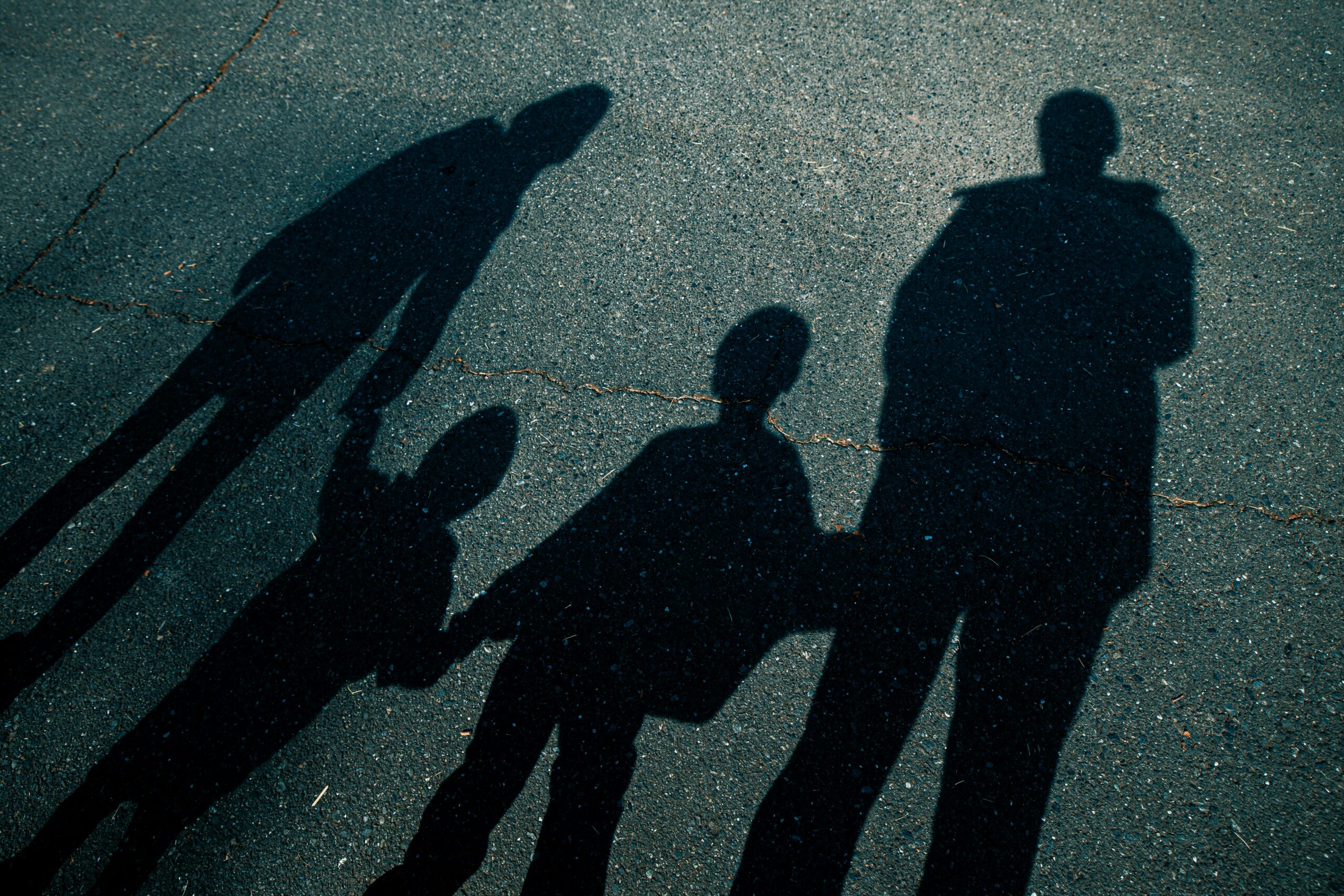
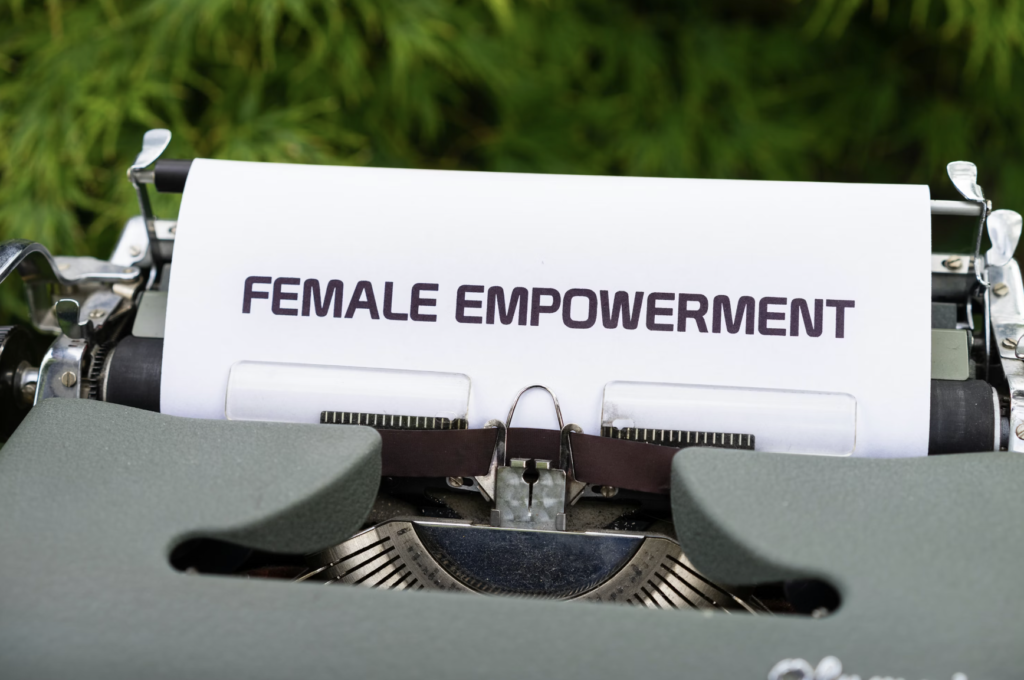
Photo credit: Markus Winkler on Unsplash

Related resources
Report on Women, Climate Change, and Activism in the Maghreb
13/02/2026

The 2025 Report on the Situation of Single Mothers and Their Children in Morocco
13/02/2026