
About “What About Us?”
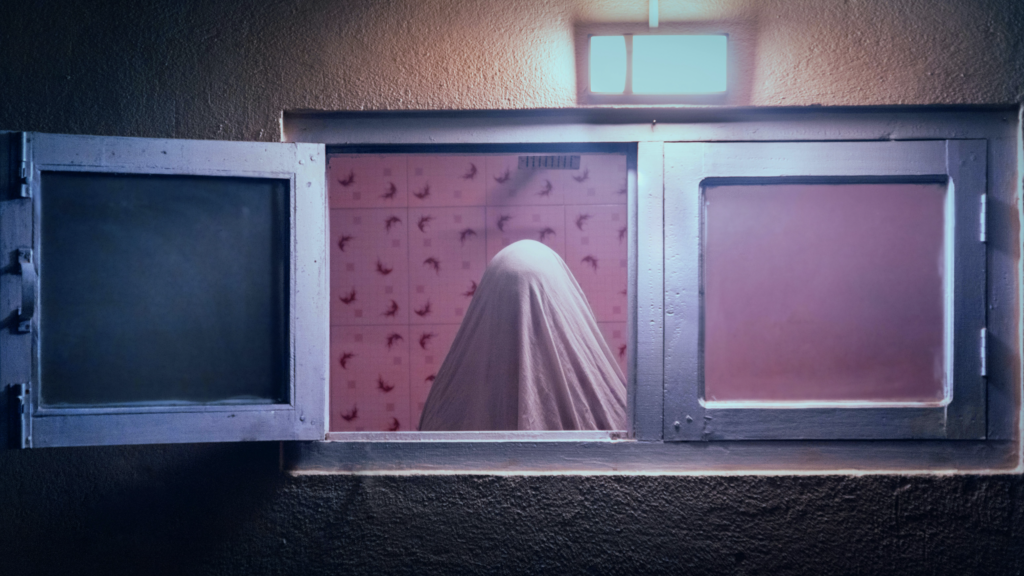
"What About Us?" is a documentary photography and narrative project exploring the mental health realities of queer individuals in Morocco.
This series uses the language of photography and personal testimony to document the lived experiences of a community. The project centers the real stories of a dozen individuals from different regions of Morocco, who have trusted this project with their images and intimate stories of their lives.
Through portraiture, environmental shots, and handwritten or transcribed text, the project examines the profound impact of gender identity and sexual orientation on mental well-being. It aims to make visible the often-unseen struggles and resilience of queer Moroccans.
The project directly addresses themes of societal oppression, daily pressures, the violence of invisibility, and the immense challenge of finding healthcare that is both accessible and affirming. This project is a visual archive of resistance and resilience, framed through the lens of those who live it.
Testimonies from an Inner Journey
Excerpt 1
“We often talk about our health and what’s going on inside us, but rarely about the external circumstances. There’s a nuance between what we feel and what happens to us. What would we be without these external events? On our own, we might be fine. It’s often what comes from outside, over which we have no control, that can destabilize us, and this has been true since childhood.
For my part, I am moving forward. I’m in a better place now, after therapy sessions that I continue today. Therapy taught me to recognize my emotions. This recognition is essential. To name what inhabits us, what hurts, what feels good: anger, sadness, joy, frustration, love, melancholy, excitement… I had learned to silence what I felt, to say what was expected of me, to always absorb. Therapy is helping me become myself again.”
Excerpt 2
“As a queer person, I feel as if I’m living multiple lives, playing different roles. One role with family, another at work, another on the street. I am never entirely myself, except within the queer community, where I can finally take off my masks. These roles are burdensome. They are a response to fear, to homophobia, to violence.
That’s why I turned to self-healing, and even pursued training in therapy. For me, healing is a field to be cultivated. It’s the foundation upon which one can build and then help the community.”
Excerpt 3
“Feeling like a stranger almost everywhere. Fitting in without truly belonging. Choosing your own affiliations and deciding on your community demands constant strength and a nurtured audacity. The journey hasn't been simple: cities, decisions, resistance… It’s this very journey that eventually led me to seek help from a psychologist. Because to speak of the pain, you must be in a somewhat better place. And sometimes, to feel better, you must first accept to name what is wrong.”

Related resources
A Cinematic Mosaic: Arab and North African Women’s Voices on Screen
13/02/2026