

A Cinematic Mosaic: Arab and North African Women’s Voices on Screen
This selection of films offers an exploration of the diverse and complex lives of Arab and North African women, revealing a spectrum of resistance, resilience, and nuanced femininity. The films collectively challenge monolithic views, presenting a rich tapestry of stories that highlight the region's social, political, and personal complexities.
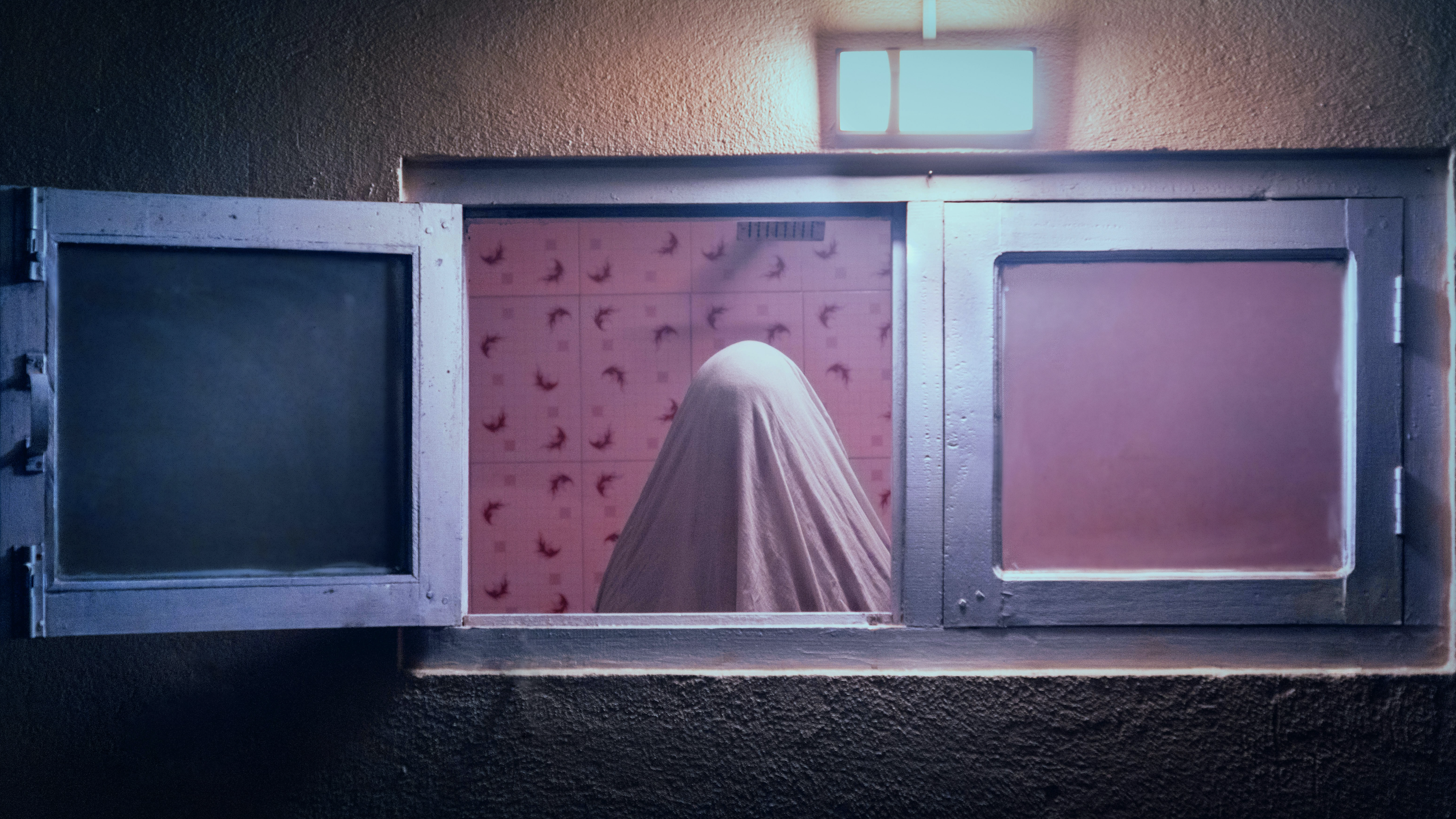
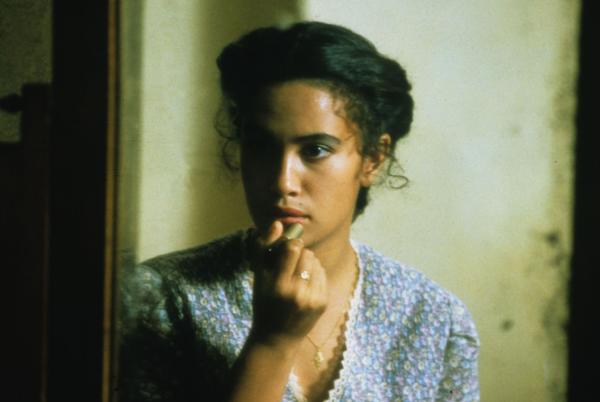
From the poignant domestic struggles of a young housemaid in 1950s Tunisia in Moufida Tlatli's The Silences of the Palace to the contemporary sisterhood in a Beirut beauty salon in Nadine Labaki’s Caramel, these films navigate the private and public lives of women. They traverse the aftermath of conflict in In the Last Days of the City and challenge fundamentalist rule in the animated allegory The Wanted 18. Stories like 3000 Nights, about a woman giving birth in an Israeli prison, and the Oscar-winning documentary A Girl in the River: The Price of Forgiveness, about a survivor of an "honor" killing, bring to light profound acts of courage and survival. Meanwhile, films like Wadjda and Caramel illustrate the intricate negotiation of tradition and identity.
Complementing this list, the vital and vibrant cinema of Morocco offers a further nuanced exploration of the region’s social and political landscape. Seminal works like Hamid Benani’s neorealist landmark Wechma (1970), which examines moral decay in post-independence Morocco, and A Love in Casablanca (1991), a taboo-breaking story of a single mother challenging the family code, offer foundational social critique. Later works like the satirical masterpiece Looking for My Wife's Husband (1993) dissect patriarchy and polygamy, while Marock (2005) explores the clashing worlds of modern youth and tradition in Casablanca. The darkly comic fable The Unknown Saint (2019) provides a contemporary, critical look at rural society and superstition.
This collection, through personal stories of quiet defiance, resilience, and the pursuit of identity, forms a powerful cinematic conversation, reframing narratives of womanhood and freedom across the Arab world.

Related resources